
International Opportunities in Strategic Sectors
We assess business and investment opportunities between Turkiye, Spain, and Latin America through sector dynamics, market conditions, and local expertise. We support companies across different industries in entering new markets and developing sustainable business opportunities.
Tailored support for SMEs and mid-sized innovators in key sectors
We adapt our support to your sector, resources, and growth priorities. Across Turkiye, Spain, and Latin America, smaller businesses play an essential role as employers, specialist suppliers, and innovation partners. In Turkiye alone, SMEs account for 68.5% of employment; in Latin America and the Caribbean, micro, small, and medium enterprises generate nearly 60% of formal productive employment. In Spain, SMEs account for 72% of private employment. Their economic importance deserves support designed for their realities.
Discover some of the most dynamic sectors, their outlook, and the opportunities they open up for your business.
Turkiye
Defense and aerospace, medical devices, pharmaceuticals, specialty chemicals, agribusiness, and the circular economy offer distinct areas to explore. Defense and aerospace exports passed US$10 billion in 2025, while agricultural exports hit a record US$36.4 billion. The medical devices market is worth around US$4.5 billion, and Turkiye’s Zero Waste program has generated about US$8 billion in economic value through recycling since 2017. Composites, coatings, and specialty chemicals also connect suppliers with advanced industrial applications.
Latin America
Critical minerals, digital technologies, and agribusiness bring different opportunities across the region. The IEA identifies potential for around US$185 billion in economic value from critical minerals by 2035, based on its project pipeline. Meanwhile, GSMA’s 2025 outlook projects mobile technologies and services could contribute US$680 billion to the regional economy by 2030. Agribusiness adds further scale, as the region supplies about 23% of global agri-food exports and is moving toward higher value-added products.
Spain
Pharmaceuticals, agri-food, sustainable mobility, and clean industrial technologies provide a focus for specialist businesses. Pharmaceutical exports reached US$22.45 billion in 2025, and agri-food exports hit a record of more than €78 billion, about 20% of all goods exports. Spain’s energy transition plan targets 81% renewable electricity and 5.5 million electric vehicles by 2030, providing a framework for exploring energy, mobility, and related supply chains.
Find your opportunity
Your sector matters. We help you understand where demand, local conditions, and your capabilities meet.
Build the right connections
Move closer to customers and partners with business models adapted to your market and resources.
Prepare for what comes next
Turn your ambitions for 2030 into practical priorities, partnerships, and projects you can develop today.

Health Sciences — Pharmaceuticals and Medical Devices
Turkiye has a pharmaceutical and medical device manufacturing base with the capacity to supply Latin American markets — on quality, cost, and scale. What slows that relationship isn’t the product: it’s regulatory distance, the absence of a counterpart who knows both sides, and the complexity of a negotiation where standards, timelines, and expectations don’t align. That’s where we work: market analysis and counterpart selection, regulatory and registration strategy, negotiation support.
For Latin American companies that need access to Turkish suppliers or want to evaluate sourcing options, we run the same process in the other direction. Spain enters this sector at a different angle: innovation, patents, licensing agreements, and technology transfer — an access point with real value for both Turkish and Latin American companies looking to move into higher-value segments.
Turkiye has a pharmaceutical and medical device manufacturing base with the capacity to supply Latin American markets — on quality, cost, and scale. That’s where we work: market analysis and counterpart selection, regulatory and registration strategy, negotiation support.
Sustainable Technologies
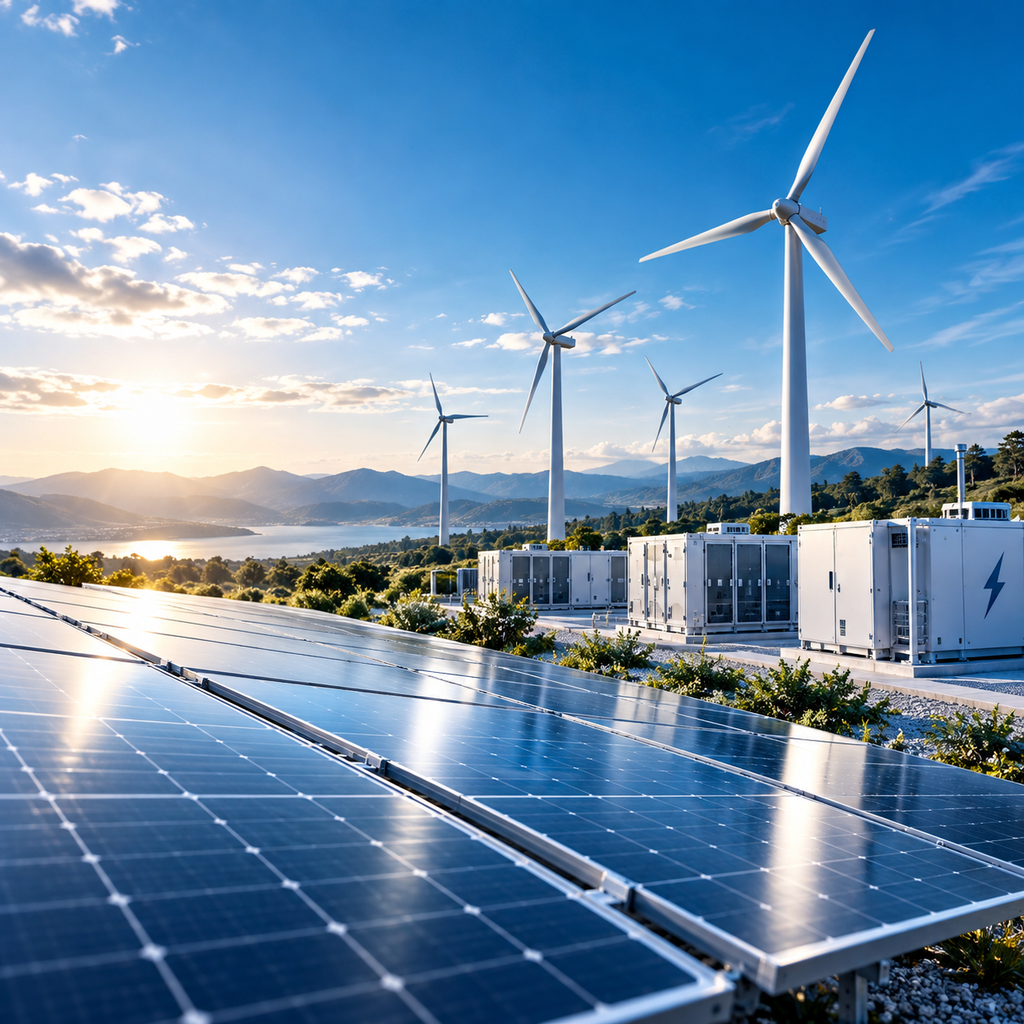
The decision to adopt clean technology is no longer primarily an energy decision — it is an industrial competitiveness decision. Companies integrating wind generation, efficiency-driven materials, or clean mobility into their operations are doing so because it reduces operating costs and strengthens their position in supply chains that now measure carbon output.
Turkiye has established manufacturers in wind energy components, companies producing materials through significantly more energy-efficient processes, and electric mobility firms redefining land and maritime transport. We work with these companies on market potential assessment, market entry structuring, industrial partner identification, and sourcing — connecting technology with the markets where demand is real.
The tightening of EU regulatory standards — on efficiency, emissions, and sustainability criteria applied to industrial products — is generating indirect demand in Latin America and Turkiye. Not as a broad trend, but as specific openings that emerge company by company, sector by sector, when a supply chain begins requiring compliance that was previously optional.
Companies that read those openings before they become mandatory standards position themselves ahead of competitors who wait for the requirement to arrive.
The decision to adopt clean technology is an industrial competitiveness decision. We connect technology with the markets where demand is real.

Security and Defense
Turkiye has built an expanding industrial and technology base in defense with growing international reach.
We work on a project basis — identifying, qualifying, and supporting supply processes through industrial and technology producers across Latin America, Spain, and Turkiye — with the discretion and rigor the sector requires.
Turkiye has built an expanding industrial and technology base in defense with growing international reach. We work with the discretion and rigor the sector requires.

Chemical Industry
The chemical sector runs on two parallel logics: access to raw materials and commercial positioning of technical capacity. Turkiye is an established origin for basic and specialty chemicals; Latin America concentrates growing demand and logistical constraints that reward suppliers who understand local context; Spain operates as a platform for operations under the EU regulatory framework. We work both sides of that equation — the company that needs to secure sourcing and the one that needs to turn R&D capacity into a sustained commercial position.
A significant share of Turkish chemical SMEs have the technical depth to compete in high-value segments, but the commercial architecture to get there hasn’t been built. Advanced technology integration, regulatory navigation, and international market entry each present barriers in isolation; together, they stall companies that are otherwise ready.
We work with chemical companies on the strategy that connects R&D output to commercial traction: positioning, market entry sequencing, and the business development structure that makes growth in these segments sustainable.
The chemical sector runs on two parallel logics: access to raw materials and commercial positioning of technical capacity. We work with chemical companies on the strategy that connects R&D output to commercial traction.
Industrial Equipment
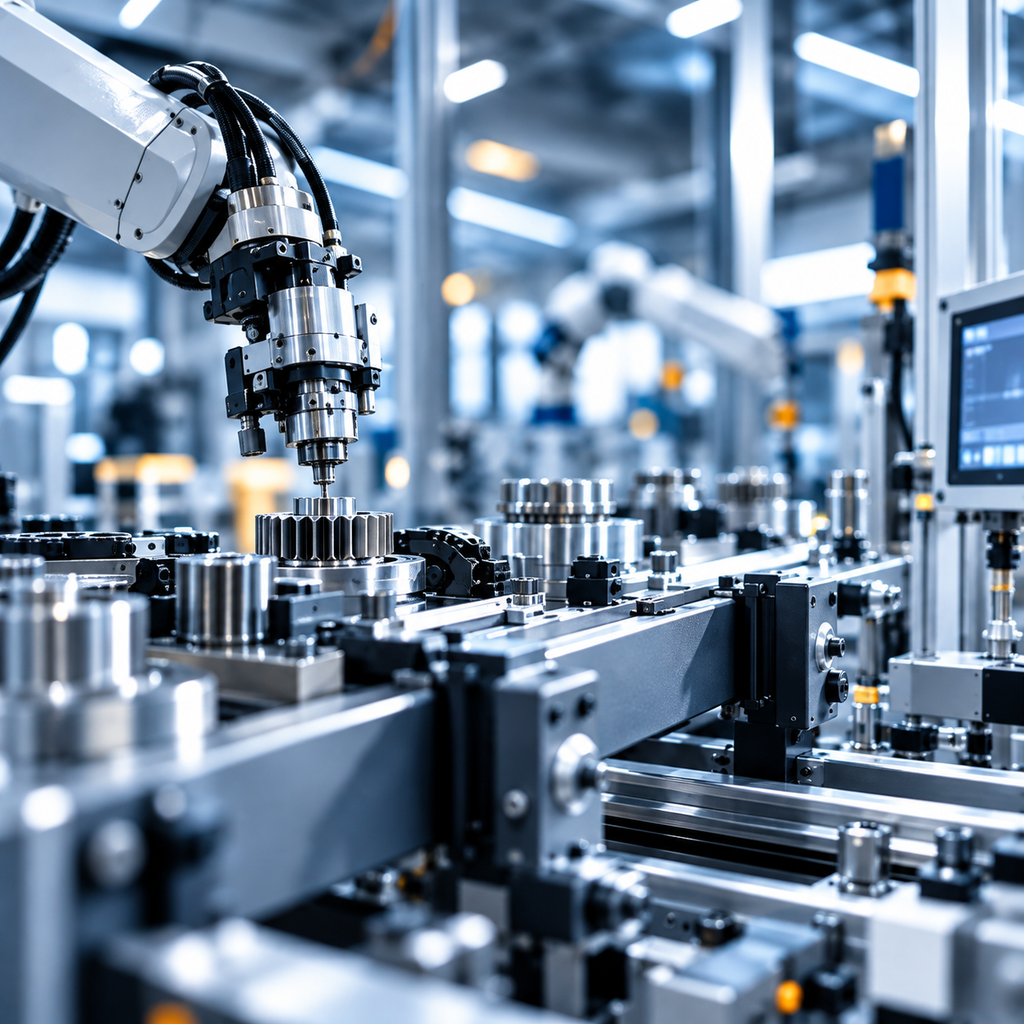
How will your plant operate in five years — with what technology, at what cost, from which supplier? Turkiye has built real industrial depth in food processing, metallurgy, plastics, and process automation, with technical standards that compete with Europe and cost structures that have displaced European suppliers in several categories.
We identify the right manufacturer for each requirement, structure the negotiation, and verify that what arrives on site is what was agreed.
Turkiye has built real industrial depth in food processing, metallurgy, plastics, and process automation. We identify the right manufacturer for each requirement, structure the negotiation, and verify that what arrives on site is what was agreed.
Agribusiness and Food
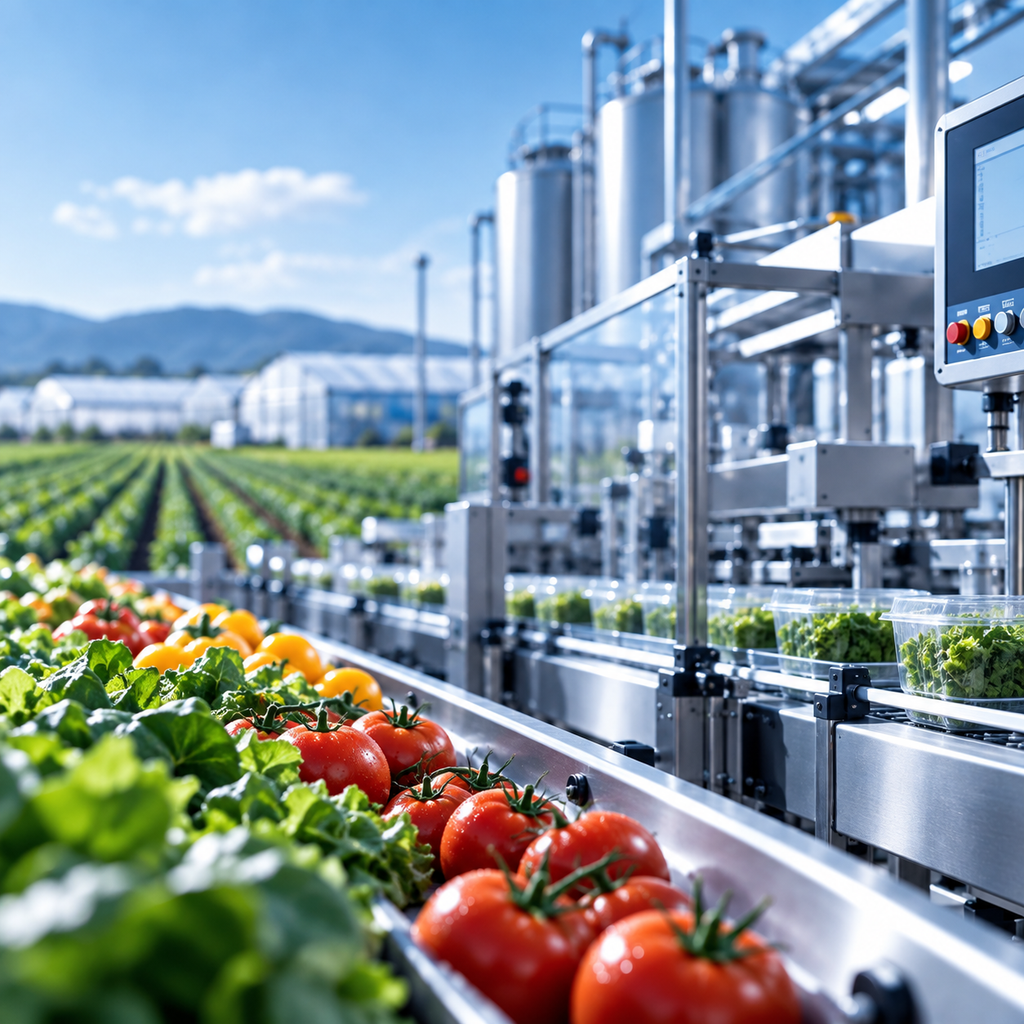
The flow runs both ways. Turkiye and Spain have industrial capacity in agricultural machinery, food processing technology, functional ingredients, and post-harvest solutions that addresses real gaps in Latin American food operations.
In the other direction, Latin America holds origin-specific raw materials and ingredients that find genuine demand in European and Turkish food manufacturing — not as commodities, but as differentiated inputs.
We identify the right industrial counterpart in each direction, assess the real conditions for access, and structure the commercial relationship.
The flow runs both ways. We identify the right industrial counterpart, assess the real conditions for access, and structure the commercial relationship.
Our Cross-Sector
Approach
Atlantika evaluates sectors not only through their commercial potential, but also in relation to market dynamics, local conditions, regulatory frameworks, and business culture. We approach opportunities between Turkiye, Spain, and Latin America with project-specific and actionable strategies.
Understanding Market Dynamics
We assess the political, economic, cultural, and regulatory dynamics of each market together, enabling a more accurate understanding of sectoral opportunities and potential risks.
Local Expertise and Business Culture
By considering local knowledge, business practices, and cultural differences in target markets, we support the development of international business relationships on stronger foundations.
Project-Specific and Actionable Approach
We assess every project according to its sector, market, and objectives, developing practical strategic approaches tailored to specific needs instead of applying standard solutions.